About Green Lakes State Park
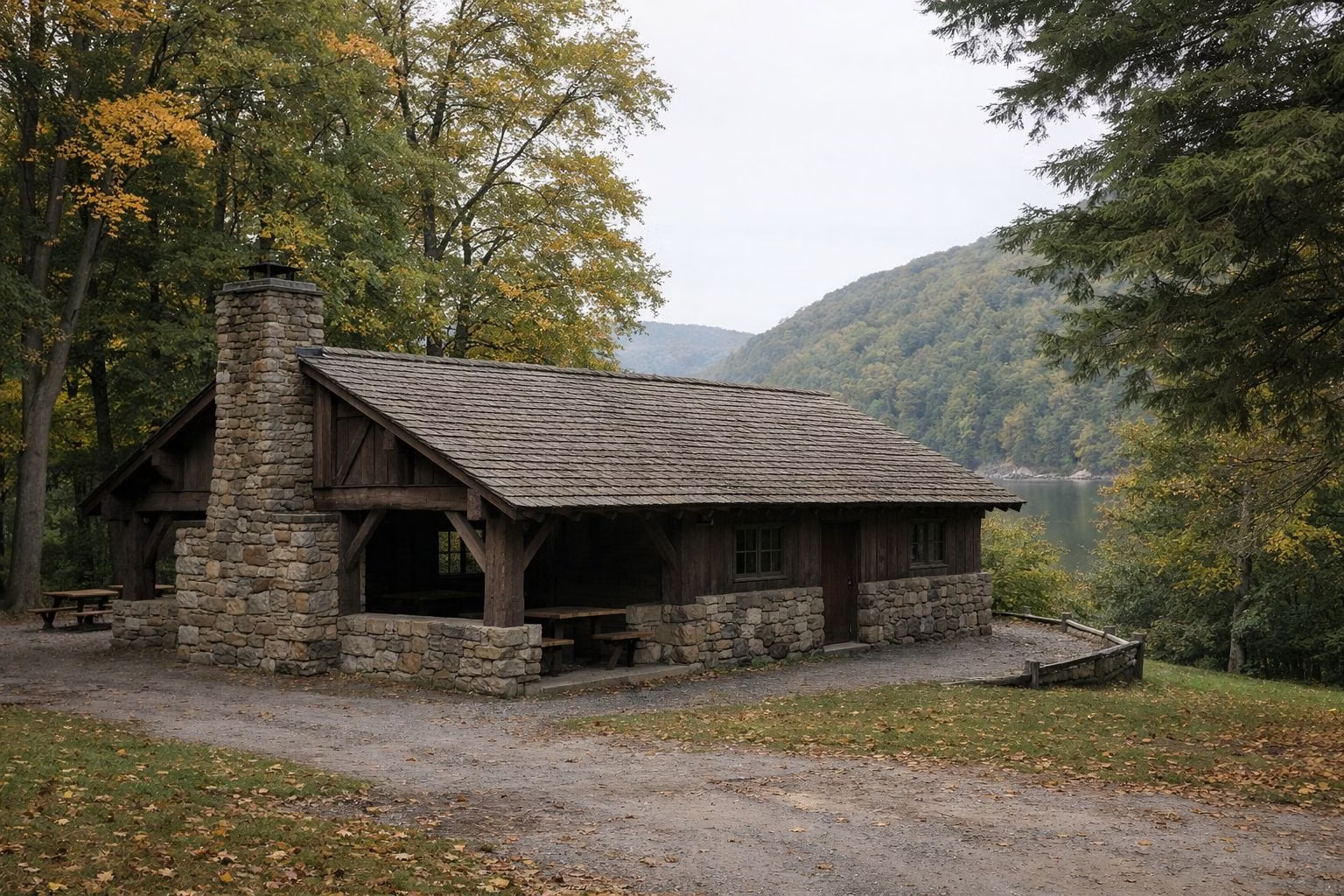
Green Lakes State Park is a 2,200-acre New York state park in Fayetteville, east of Syracuse, named for its two glacial lakes, Green Lake and Round Lake. Its first superintendent, Arvin Almquist, served from 1928 to 1948, and in the 1930s a Civilian Conservation Corps company built much of what visitors use today: the beach, cabins, roads, trails, boathouse, golf course and clubhouse. Round Lake and its old-growth forest became a National Natural Landmark in 1973.
The Park at a Glance
Before the Park
A library collection of Arvin Almquist's photographs, described by New York Heritage, includes glass-plate photos of the site taken in 1894 and a 1924 illustrated proposal for a state park by Henry R. Francis. The lakes themselves are far older: NYS Parks calls them two glacial lakes, formed as the last ice sheets carved the land.
The First Superintendent
Arvin H. Almquist (1901–1959) was the park's first superintendent, serving from 1928 to 1948, according to New York Heritage. He oversaw the construction of the park's roads, golf course, beach and other facilities, and photographed the work. His family later donated those photos, along with an index and a diary of the project, to a local library.
The Civilian Conservation Corps
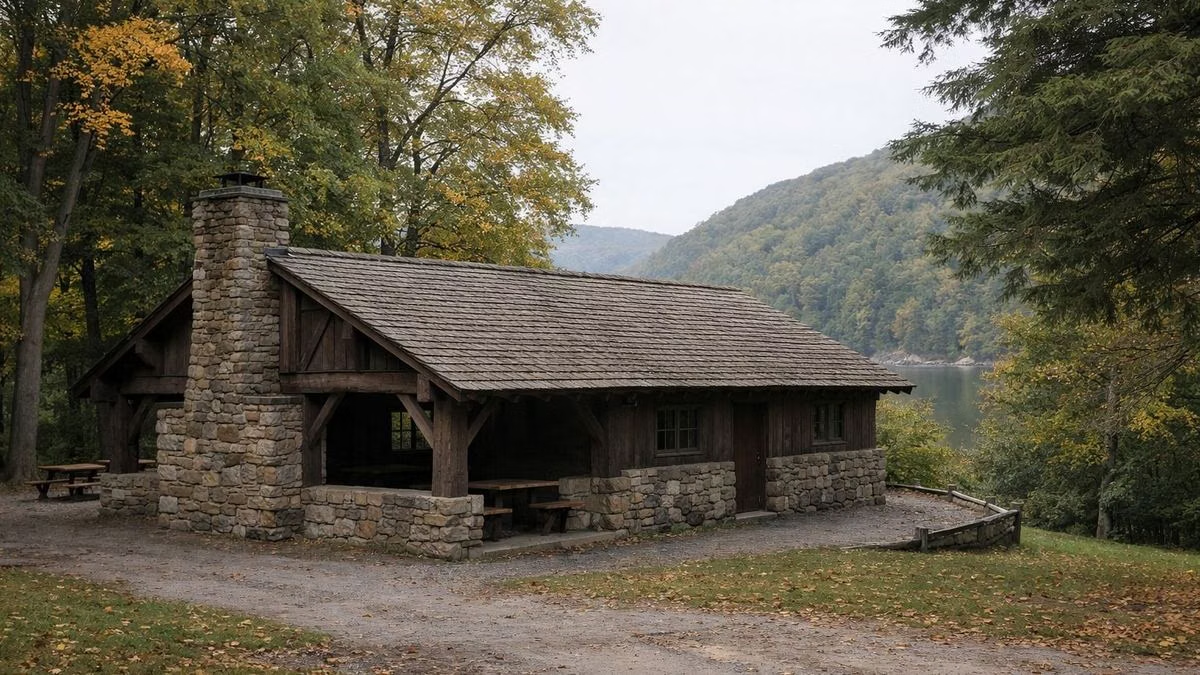
The Civilian Conservation Corps was President Franklin Roosevelt's Depression-era program that put men to work on public land, including New York's state parks. The State Parks blog says the company at Green Lakes was made up of Spanish-American War veterans. They built:
- the cabins and service buildings
- park roads and trails
- the boathouse, now the Environmental Education Center
- the golf course and its clubhouse
- the beach, by hauling tons of sand from Oneida Lake
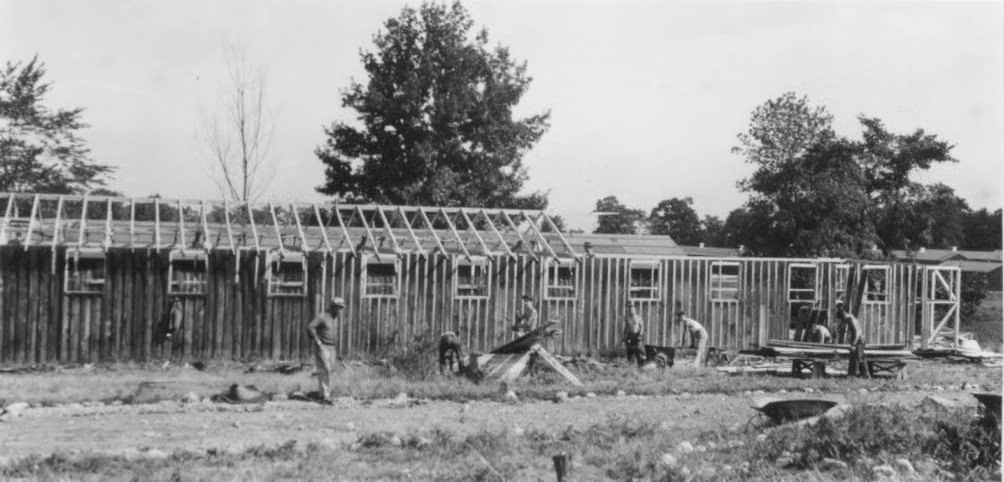
An Almquist photo from 1934 shows CCC barracks going up at the park. NYS Parks still runs a "History Hike" around the beach and up to the Tulip Hill picnic area to tell the story.
The Golf Course
NYS Parks calls the park's 18-hole course one of the first designed by Robert Trent Jones, whom NYS Parks calls one of the game's most innovative golf course architects. The Robert Trent Jones clubhouse on the hill above it now houses the Yards Grille.
A National Natural Landmark
In 1973 the U.S. Department of the Interior designated Round Lake a National Natural Landmark, for its rare meromictic lake and the old-growth forest around it. It is one of 28 such sites in New York, according to the State Parks blog. In 2018 the New York Natural Heritage Program also named the park's meromictic lakes and maple-basswood forest natural communities of statewide significance. See Round Lake and old-growth forest.
The Park Today
NYS Parks runs Green Lakes from its Central Region. Recent work kept the old style: a 2023 project added cabins for the "Ladders to the Outdoors" youth program, a new playground, and a West Beach bathhouse that NYS Parks says was designed with "rustic materials" to match the park's family of original buildings. The park now has 134 campsites, seven rental cabins, a 22-trail network and the golf course.
About Green Lakes State Park FAQ
When did Green Lakes State Park open?
Its first superintendent, Arvin Almquist, began in 1928, according to New York Heritage. Much of the park was built by the Civilian Conservation Corps in the 1930s.
Who built Green Lakes State Park?
A Civilian Conservation Corps company of Spanish-American War veterans built the cabins, roads, trails, boathouse, golf course, clubhouse and beach, according to NYS Parks.
How big is Green Lakes State Park?
About 2,200 acres, according to NYS Parks.
Why is it called Green Lakes?
For the unusual green colour of its two lakes, which comes from calcium carbonate in the water.